
Sash window fillers are essential products for anyone wanting to preserve original timber windows in Bristol’s period properties, but choosing the right one can feel overwhelming when you’re faced with shelves full of epoxies, resins, and putties.
The good news? Once you understand the basics of what each product does and when to use it, you’ll be able to tackle repairs that extend the life of your windows by decades rather than months.
Understanding the Difference Between Hardeners and Fillers
Before you pick up any product, it’s worth understanding what you’re actually trying to achieve with your timber repair.
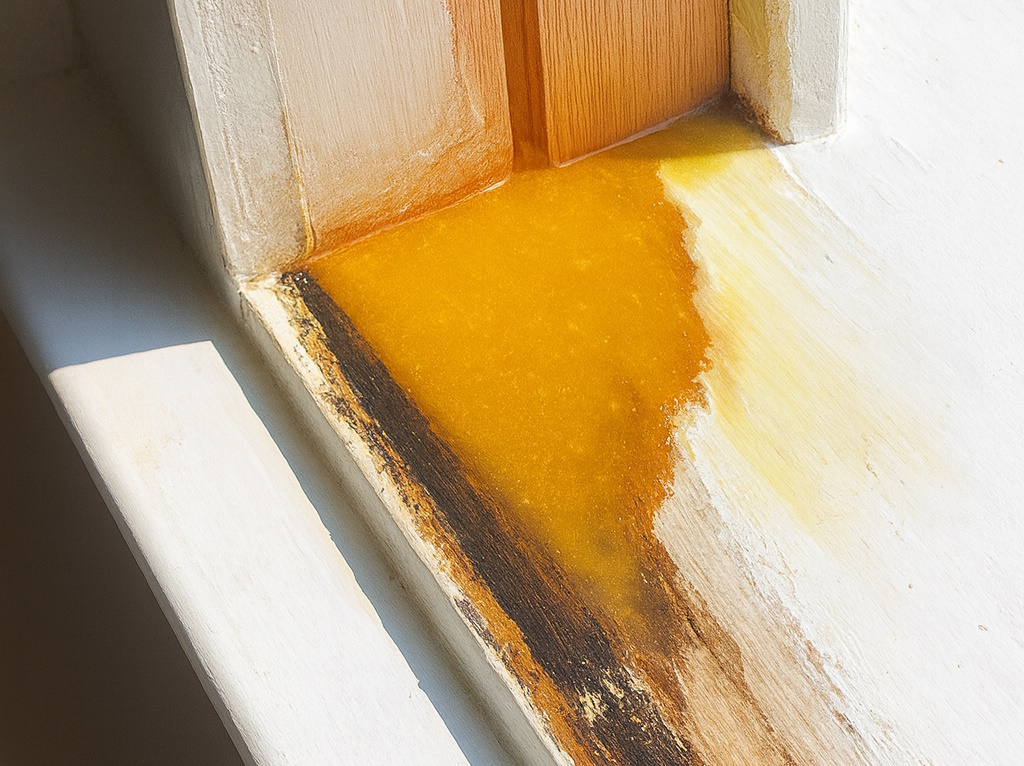
Timber hardeners are designed to penetrate and stabilise wood that’s become soft through rot or water damage. They soak into the timber fibres and solidify them, essentially turning weak wood back into something structural. Think of them as a way to rescue timber that’s still there but has lost its strength.
Fillers, on the other hand, replace timber that’s already gone. They’re used to fill holes, gaps, and areas where the wood has rotted away completely. Once hardened, good quality sash window fillers can be sanded, drilled, and painted just like the original timber.
In many sash window repairs in Bristol, you’ll actually need both—hardener first to stabilise the remaining timber, then filler to rebuild the missing sections.
When to Use Timber Hardener
Timber hardener is your first line of defence when dealing with soft or spongy wood that hasn’t completely rotted away.
The bottom rails of sash windows are particularly prone to this kind of decay, especially in Bristol’s Victorian terraces where original timber has been exposed to over a century of weather. You’ll often find soft timber around the joints where water has been sitting.
Apply hardener generously to any soft areas and let it soak in completely; this might take several applications. The wood should feel noticeably firmer once it’s dried. Only then should you move on to filling.
Many restoration specialists working across Bristol and North Somerset swear by two-part epoxy hardeners for their penetration and strength, though solvent-based options also have their place for less severe decay.
Timber Resin vs Epoxy: What’s the Difference?
This is where things get a bit technical, but it’s worth understanding if you’re serious about doing the job and using sash window fillers properly.
When people talk about timber resin vs epoxy, they’re often referring to slightly different product formulations rather than completely different materials. Both are typically two-part systems that you mix before use.
Epoxy-based products tend to be harder, stronger, and more water-resistant once cured. They’re excellent for structural repairs and areas that will be exposed to moisture. The trade-off is that they can be more brittle and harder to work with.
Resin-based fillers often have a slightly softer, more flexible finish that’s easier to sand and shape. They’re brilliant for cosmetic repairs and areas that need detailed moulding work.
For most sash window restoration projects in Bristol, a high-quality two-part epoxy filler gives you the best balance of strength and workability.
The Role of Putty in Restoration
Don’t overlook traditional linseed oil putty for restoration work; it’s been holding glass in place for centuries for good reason.
While modern putty for restoration has improved in some ways, traditional linseed putty remains the gold standard for period properties. It stays slightly flexible, moves with the timber, and can be painted to match your existing windows perfectly.
In Georgian and Edwardian homes throughout Clifton, Redland, and other Bristol conservation areas, using the right putty isn’t just about function; it’s about maintaining the authentic character of your property.
Apply putty after you’ve completed any timber repairs with hardeners and fillers. The timber needs to be sound before you worry about the glazing.
Choosing Products for Bristol’s Period Properties
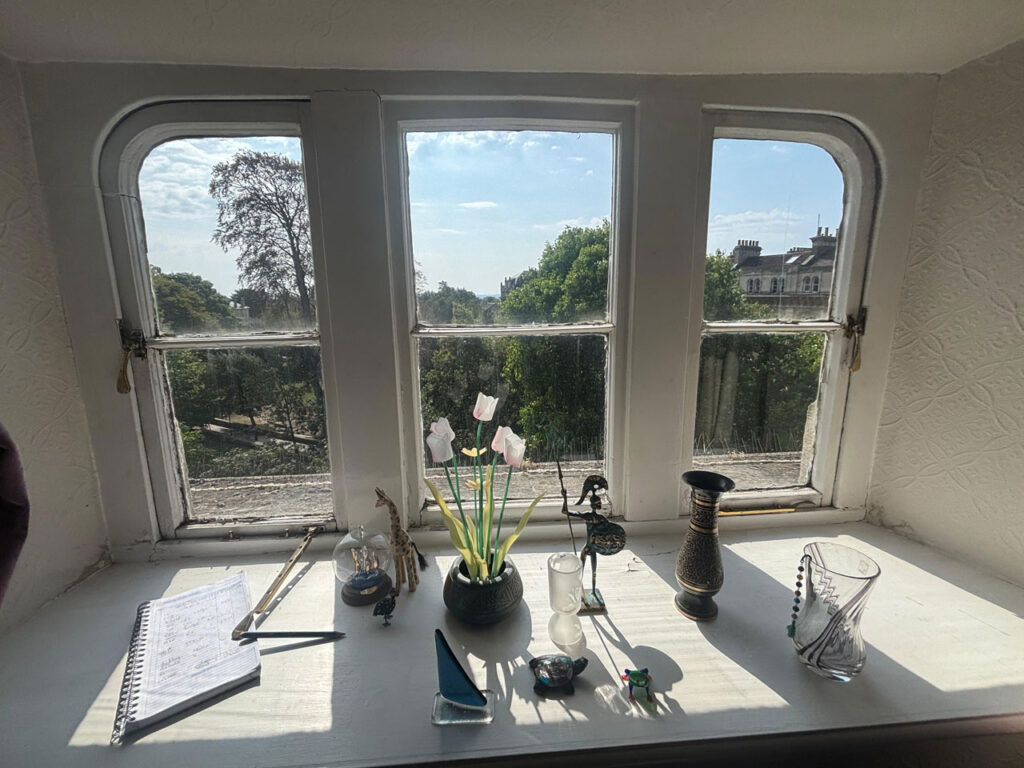
The timber in Bristol’s period properties (whether you’re in a Victorian terrace in Southville or a Georgian townhouse in Kingsdown) tends to be old-growth softwood. It’s denser and more durable than modern timber, but after 100+ years, it needs proper care.
When selecting sash window fillers for these older timbers, look for products specifically designed for exterior joinery. They need to cope with our damp climate and the temperature fluctuations that come with Southwest weather.
Products with good moisture resistance are non-negotiable in areas like Fishponds, Horfield, and across North Somerset where properties can be exposed to driving rain.
Application Tips for Best Results
The quality of your repair depends as much on application as it does on product choice.
Always remove any loose or crumbling timber before you start. Dig out rotten wood until you reach sound material; there’s no point applying expensive filler over decay that’s still active.
Clean the area thoroughly and let it dry. Wet timber won’t accept hardener or filler properly, and you’ll end up with a repair that fails within months.
Apply hardener first and wait for it to cure completely. Then build up filler in layers rather than trying to fill deep holes in one go. Multiple thin layers cure more reliably and are less likely to crack or shrink.
Once your filler has cured, sand it carefully to match the profile of the original timber. This is where patience pays off. Rush this stage and your repair will be obvious from the street.
When to Call in the Professionals
Some repairs are absolutely within reach of a competent DIYer, but there’s a point where professional help makes sense.
If you’re dealing with structural damage, multiple windows, or you’re in a conservation area with specific requirements, it’s worth getting expert advice. The same applies if you’re unsure about the extent of decay; sometimes what looks like a small soft spot on the surface extends much deeper into the timber.
Professional sash window maintenance can also give you guidance on preventing future problems, which is often more valuable than the repair itself.
Whether you’re tackling repairs yourself or working with specialists, understanding which sash window fillers work best for different situations means you can preserve Bristol’s beautiful period windows for another generation. The key is matching the right product to the specific problem, taking your time with preparation, and never compromising on quality sash window fillers when it comes to protecting original timber.