
Draughty sash windows are one of the most common complaints from homeowners living in Victorian and Edwardian properties across Bristol and North Somerset. That telltale whistle of cold air sneaking through the frames, the curtains moving on a windy day, and the struggle to keep rooms warm; these are all signs that your beautiful period windows need attention.
But what exactly causes these draughts, and why are sash windows particularly prone to them? Let’s explore the main culprits behind those chilly leaks.
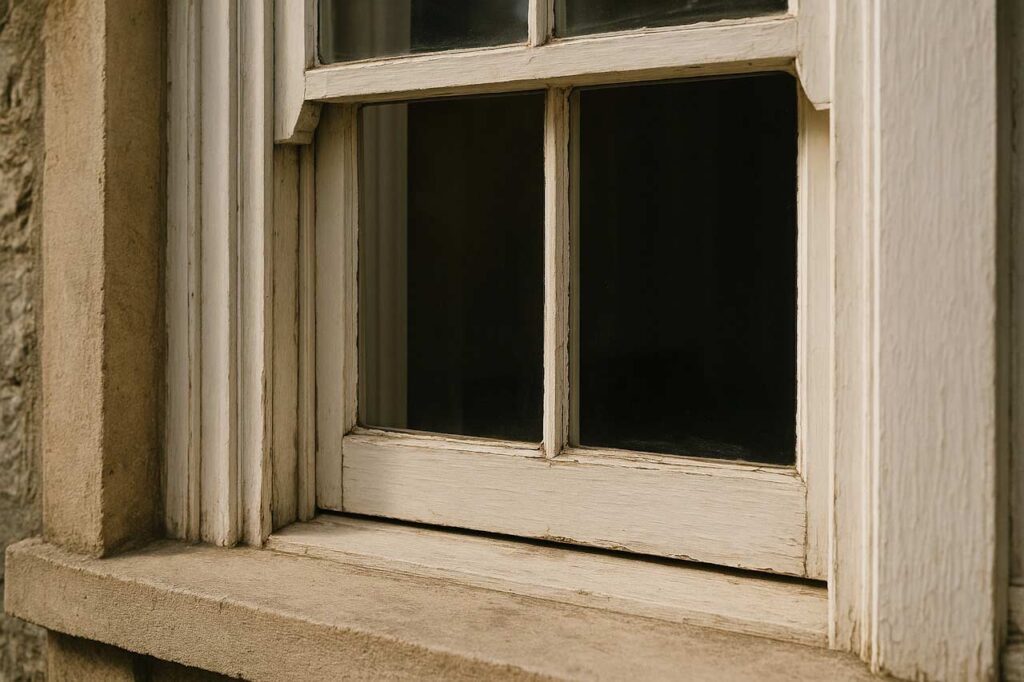
The Natural Settlement of Period Properties
Many homes in areas like Clifton, with its stunning Georgian and Victorian terraces, have been standing for well over a century. During that time, buildings naturally settle and shift.
This gradual movement can throw window frames slightly out of alignment. What was once a snug fit between the sash and the frame becomes a gap; sometimes barely visible, but enough to let cold air whistle through.
The tall, elegant proportions of period sash windows mean they’re more susceptible to this type of movement than smaller, modern windows. It’s not a fault in the original craftsmanship; it’s simply the reality of old buildings.
Worn or Missing Draught-Proofing
Original Victorian sash windows were rarely fitted with any form of draught-proofing. The concept simply didn’t exist in the same way it does today. Even windows that have been maintained over the years may have had basic brush seals or parting beads fitted decades ago, which have now perished.
Without proper seals between the sliding sashes and the box frame, air can flow freely through multiple points around the window. This is why cold air leaks through timber frames so readily in older properties.
The good news is that modern draught-proofing solutions for sash windows can make a dramatic difference without compromising the character of your home.
Gaps in the Meeting Rails
The meeting rails are where the top and bottom sashes come together in the middle of the window. Over time, these can become worn or warped, creating a horizontal gap that runs the entire width of the window.
This is particularly noticeable on windy days; and if your home is in Portishead or Clevedon, where coastal exposure brings stronger winds off the Bristol Channel, you’ll feel this issue even more acutely.
Even a small gap of just a millimetre or two can let in a surprising amount of cold air, making rooms uncomfortable and pushing up heating bills.
Shrinkage of Timber Over Time
Wood is a natural material that expands and contracts with changes in temperature and humidity. Over many decades, timber sashes can shrink slightly, particularly if they’ve been exposed to central heating and the British weather in equal measure.
This shrinkage creates gaps where there were none originally. It’s one of the main reasons why draughty sash windows become more problematic as properties age.
Excellent resource for how timber windows deteriorate, glazing issues, and conservation guidance.
https://historicengland.org.uk/advice/your-home/owning-historic-property/windows/
Deteriorated Putty and Glazing
The putty holding the glass panes in place doesn’t last forever. After 30, 50, or even 100 years, it can crack, crumble, and fall away. When this happens, cold air can seep in around the edges of the glass itself.
You might not even notice the putty has gone until you feel a draught or spot it during a closer inspection. It’s a common issue in Bristol’s period properties, where many windows have original or very old glazing.
Reglazing is often part of a comprehensive sash window repair service, addressing both the structural integrity and thermal performance of your windows.
Respected heritage organisation explaining common sash window problems including draughts, putty decay, and timber shrinkage.
https://www.spab.org.uk/advice/windows-and-doors
Issues with the Parting Bead and Staff Bead
These are the strips of timber that separate the two sashes and hold them in their channels. If they’re loose, damaged, or missing altogether, the sashes can rattle and shift, creating gaps that let draughts pour through.
It’s a subtle but significant cause of heat loss. The parting bead, in particular, sits right in the middle of the window box and acts as a barrier between inside and out; when it’s not doing its job properly, you’ll certainly feel the difference.

Poorly Fitted or Painted-Shut Windows
Sometimes, in an attempt to stop draughts or simply through years of redecorating, sash windows get painted shut. While this might seem to solve the draught problem, it often makes things worse.
When windows can’t move freely, they can’t be properly maintained. Paint builds up in the wrong places, and when the window is eventually forced open, it can damage the timber and create new gaps.
If you’re facing this issue, exploring specialist repair solutions is far better than trying to force things yourself.
The Impact of Coastal Weather
Homes in Clevedon and Portishead face additional challenges due to their proximity to the coast. Salt air and stronger winds can accelerate the deterioration of timber and putty, making draughty sash windows a more pressing issue.
Coastal exposure means your windows work harder to protect your home, and regular maintenance becomes even more important to keep draughts at bay.
Single Glazing and Heat Loss
While not a draught in the traditional sense, single glazing allows radiant heat to escape and cold to transfer through the glass. This can make a room feel draughty even when the seals are good.
Combined with actual air leaks, single-glazed sash windows can make period homes in Bristol feel decidedly chilly during the winter months.
Understanding why cold air leaks through timber frames is the first step towards solving the problem. Whether your home is in a Georgian terrace in Clifton or a Victorian villa facing the wind in Portishead, the causes are often similar; but the good news is that they’re almost always fixable. With the right approach, your draughty sash windows can be transformed into efficient, comfortable features that retain all their period charm while keeping your home warm and your energy bills under control.